Luxury Landscape Design Focused on Style, Sustainability, and Value
Enhance Your Outdoor Environment: Experienced Landscaping Options Customized for Your Home
Updating exterior spaces can considerably enhance a home's aesthetic and functionality. Professional landscape design services provide tailored plans that factor in regional conditions and personal preferences. With qualified professionals leading the project, homeowners can look forward to a seamless fusion of plants, hardscapes, and lighting. Nonetheless, understanding how to collaborate effectively and set a clear vision remains important. Examining these facets can create a transformative outdoor setting that fulfills both needs and aspirations.
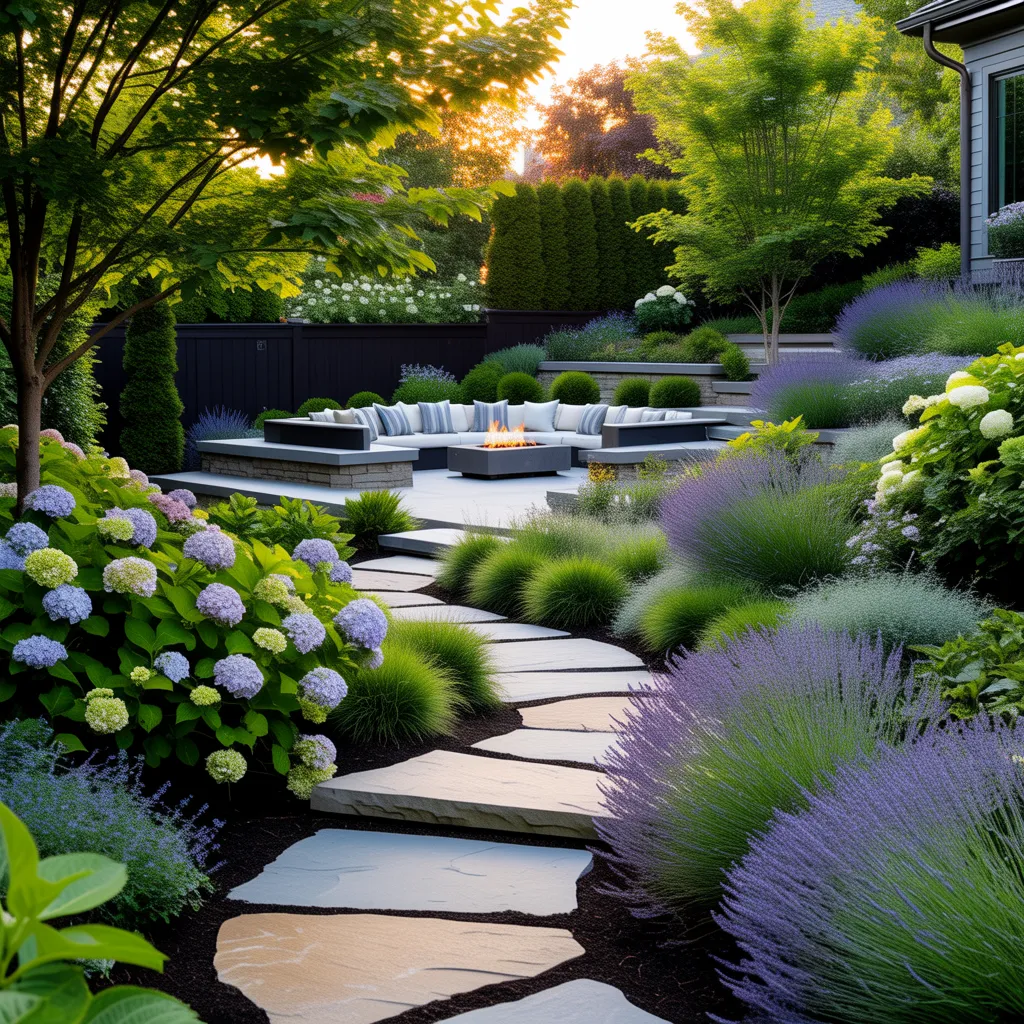
Why Pick Professional Landscape Design Options?
When examining a renovation of outdoor spaces, many property occupants recognize the benefit of expert design consultation. These authorities bring a reservoir of understanding and artistic vision, confirming that the composition aligns with the occupant's preferences while maximizing effectiveness and visual elegance. Professionals know the details of local weather conditions, substrate varieties, and species selection, facilitating them to form green spaces that thrive.
In addition, landscape designers can skillfully combine various elements, such as hardscapes, lighting, and irrigation systems, into a cohesive plan. This holistic approach not only boosts aesthetic value but also increases property value. Furthermore, hiring professionals can save time and prevent expensive oversights. Their experience in maneuvering zoning regulations and obtaining permits offers supplementary advantages for homeowners. In the end, choosing professional landscape design services can reimagine outdoor spaces into stunning, usable areas that express personal tastes and improve daily living.
How to Define Your Outside Vision?
How might property owners clarify their outdoor vision? From the beginning, they should consider their living habits and how they intend to use the backyard area. Pinpointing specific needs—including gathering with guests, gardening, or relaxation—can guide the design process. Subsequently, homeowners should look at various styles, like modern, rustic, or tropical, to ascertain what resonates with their design values.
Creating a mood board or gathering images from publications and online platforms can provide creative direction and aid in articulating ideas. Additionally, evaluating the current landscape elements, such as vegetation and slopes, allows for a more cohesive design.
Setting a budget is indispensable, as it governs material options and scope of work. Finally, homeowners should reflect on maintenance obligations, verifying the vision is workable for their everyday life. By executing these strategies, clarity emerges, initiating the journey for a sharply focused outdoor aspiration that fulfills their ambitions.
Partnering Successfully With Your Landscape Designer
Effective teamwork with a landscape designer begins with a clear articulation of one's vision. It is crucial to communicate budget constraints openly to guarantee practical planning. Relying on the designer's knowledge can lead in innovative solutions that align with the client's preferences while improving the overall outdoor space.
Set Your Vision Plainly
What defines a productive collaboration with a landscape designer? Vision clarity in vision is crucial. Homeowners must communicate their tastes, lifestyle needs, and desired visual appearance to guarantee the designer grasps their expectations. Providing imagery, such as photos or sketches, can significantly improve comprehension. Furthermore, discussing specific elements like color schemes, materials, and plant types helps in developing the idea. Effective communication is vital; homeowners should feel comfortable conveying their thoughts and reservations throughout the process. This transparent communication builds a strong partnership, allowing the designer to develop personalized approaches. Ultimately, a well-defined direction acts as a foundational guide, boosting the possibility of realizing a harmonious outdoor space that aligns with the homeowner's aspirations.
Communicate Your Financial Restrictions
A well-defined vision sets the foundation for effective landscape design, but understanding budget constraints is equally crucial. When collaborating with a landscape designer, communicating budget restrictions encourages transparency and trust. Clients are advised to provide a reasonable budget upfront, allowing designers to offer solutions aligned with their budgetary aims. This open dialogue enables the designer to focus on elements, guaranteeing that essential features are included without exceeding the budget. Additionally, discussing budget constraints can lead to creative alternatives, like choosing more cost-effective materials or rescheduling project timelines. Ultimately, a well-defined budget empowers both parties to work together efficiently, producing a landscape that not only satisfies aesthetic desires but also stays financially viable.
Rely on Their Skills Completely
Relying upon a landscape designer's competence is paramount for realizing a thriving outdoor project. Their considerable experience in plants, materials, and design principles empowers them to develop unified and practical environments. Clients ought to participate in the relationship with a flexible mindset, honoring the designer's recommendations while also communicating their preferences. Transparent dialogue is paramount; sharing viewpoints and commentary enhances a mutually beneficial partnership. Designers frequently have connections to options and solutions that property owners could overlook, strengthening the final design. By honoring the designer's professional judgment, clients can verify that their particular requirements are fulfilled while taking advantage of forward-thinking design methods. In conclusion, this reliance yields an outdoor place that mirrors both personal aesthetic and expert guidance.
Finding the Ideal Landscaping Direction for Your Home
How can homeowners determine the ideal landscape design concept that suits their property? First, they should assess the architectural style of their home. A modern house often pairs well with minimalist landscaping, while a traditional home may benefit from classic garden elements. Next, homeowners should consider their personal preferences and lifestyle. For instance, those who enjoy entertaining might favor open spaces with seating areas, while nature enthusiasts may opt for native plants and wildlife-friendly designs.
Furthermore, regional weather patterns and earth composition play vital roles in selecting appropriate vegetation and supplies. Property owners may likewise investigate different aesthetic approaches, including Mediterranean, Japanese Zen, or cottage gardens, to discover ideas. Finally, working alongside a landscaping expert can provide valuable insights customized for the specific property, guaranteeing the selected aesthetic complements both the environment and the property owner's goals.
How Can You Manage costs for Your Landscape Transformation?
Budgeting for a landscape makeover starts with identifying priorities, as this supports homeowners in prioritizing what features are essential. Then, determining project expenses is vital for building a accurate financial plan. By addressing these key aspects, homeowners can promise a accomplished and pleasing enhancement of their exterior area.
Establish Your Priorities
When starting on a landscape makeover, understanding one's priorities is vital for effective budgeting. Homeowners should first determine their primary goals, whether it's creating an outdoor recreational area, enhancing curb appeal, or increasing privacy. This understanding helps in distributing resources effectively. Evaluating the current landscape and identifying which elements need urgent focus can also simplify the process. Additionally, it is crucial to take into account long-term maintenance and environmental responsibility; putting money in durable materials may lower future costs. Setting a realistic budget that represents these goals guarantees that the project fits with both visual preferences and budget limitations. By focusing on needs, homeowners can achieve a cohesive and pleasing landscape transformation without exceeding budget.
Estimate Material Costs
Estimating project expenses is a crucial step in planning a successful landscape renovation. Homeowners should begin by listing all desired elements, such as plants, hardscapes, and lighting. Investigating local vendors can provide insights into costs and availability. It's vital to account for additional expenses, including soil, mulch, and tools, related resource which can greatly impact the overall budget. Furthermore, adding a contingency fund of 10-20% allows for unexpected expenses that may arise during the project. By thoroughly computing these costs, homeowners can guarantee they remain within their financial limits while achieving their intended outdoor space. Speaking to landscape professionals can also offer valuable guidance in making well-considered material choices that align with budget constraints.
Vital Upkeep Guidelines for Your New Landscape Design
Proper maintenance is essential for any new landscape design to flourish and retain its beauty. Regular irrigation is critical, especially during the initial establishment period; establishing root systems requires consistent moisture. Mulching around plants helps retain soil moisture, suppress weeds, and regulate temperature.
Pruning must be carried out at regular times to foster strong development and cut away any damaged or unhealthy branches. Soil enrichment, adjusted for the specific needs of plants, improves access to nutrients and encourages vibrant blooms.
Plant unwanted growth control is vital; consistent monitoring and removal prevent competition for resources. Additionally, pest monitoring guarantees swift response, maintaining plant health.
Seasonal clean-ups, such as leaf removal and clearing debris, preserve aesthetics and prevent mold development. Finally, soil condition should be assessed periodically, with modifications made as needed to ensure ideal cultivation environment. By adhering to these maintenance tips, property owners can preserve the integrity and charm of their outdoor landscaping.

Regularly Posed FAQs
What Resources Function Best for Eco-Friendly Landscaping?
Recycled materials, native plants, permeable pavers, and organic mulches are ideal for green landscaping. These decisions promote biodiversity, lower water usage, and lessen waste, establishing environmentally friendly spaces that prosper with limited maintenance.
How long Does a Typical Landscape Project Take?
A typical landscape project can take anywhere from a few days to several weeks, depending on the project's complexity, size, and the specific features being installed, such as plants, hardscapes, or irrigation systems.
Can Landscape Design Increase My Property Value?
Yes, professional landscaping can greatly increase property value. Well-planned outdoor spaces enhance curb appeal, improve functionality, and interest prospective owners, ultimately leading to higher market prices and a better investment payoff for homeowners.
What Plants Are the Most Beloved for Local Climates?
The most favored greenery for local climates usually feature native varieties, low-water selections, and perennials. These picks enhance biodiversity, need less maintenance, and prosper in their specific surroundings, rendering them perfect for sustainable outdoor design.
What Steps Should I Take to Prepare My Yard Before Outdoor Design Begins?
To ready the yard before landscape design, one should clear debris, evaluate soil conditions, remove weeds, and indicate planned elements. Ensuring proper drainage and measuring spaces for plants and hardscapes will enable a smoother installation process.